Condition guide
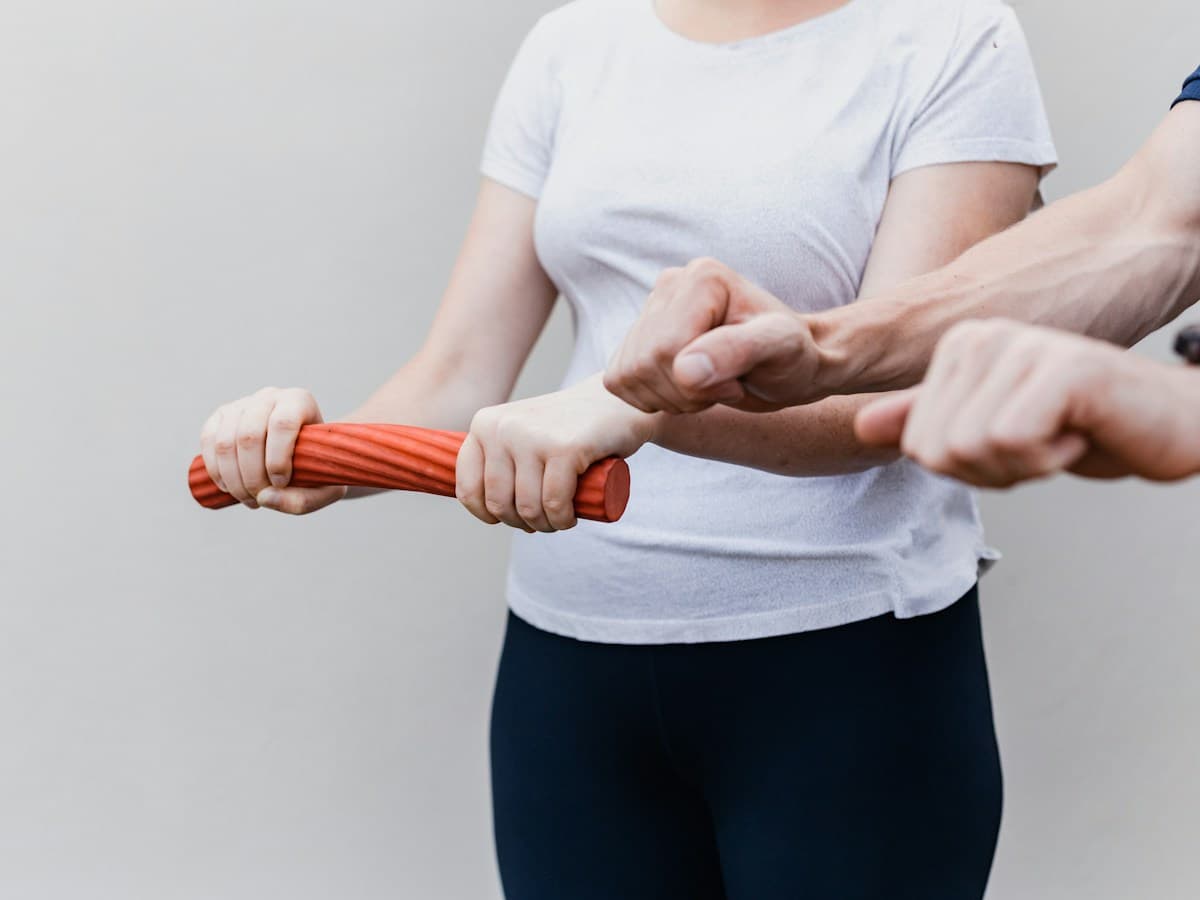
Frozen shoulder
Stiffness that limits reaching overhead or behind the back. Care usually mixes gentle range work with a plan for pain, and it can take months. A clinician checks that the shoulder, not the neck, is the main driver.
Conditions
Not a diagnosis. Sudden severe symptoms need emergency care.
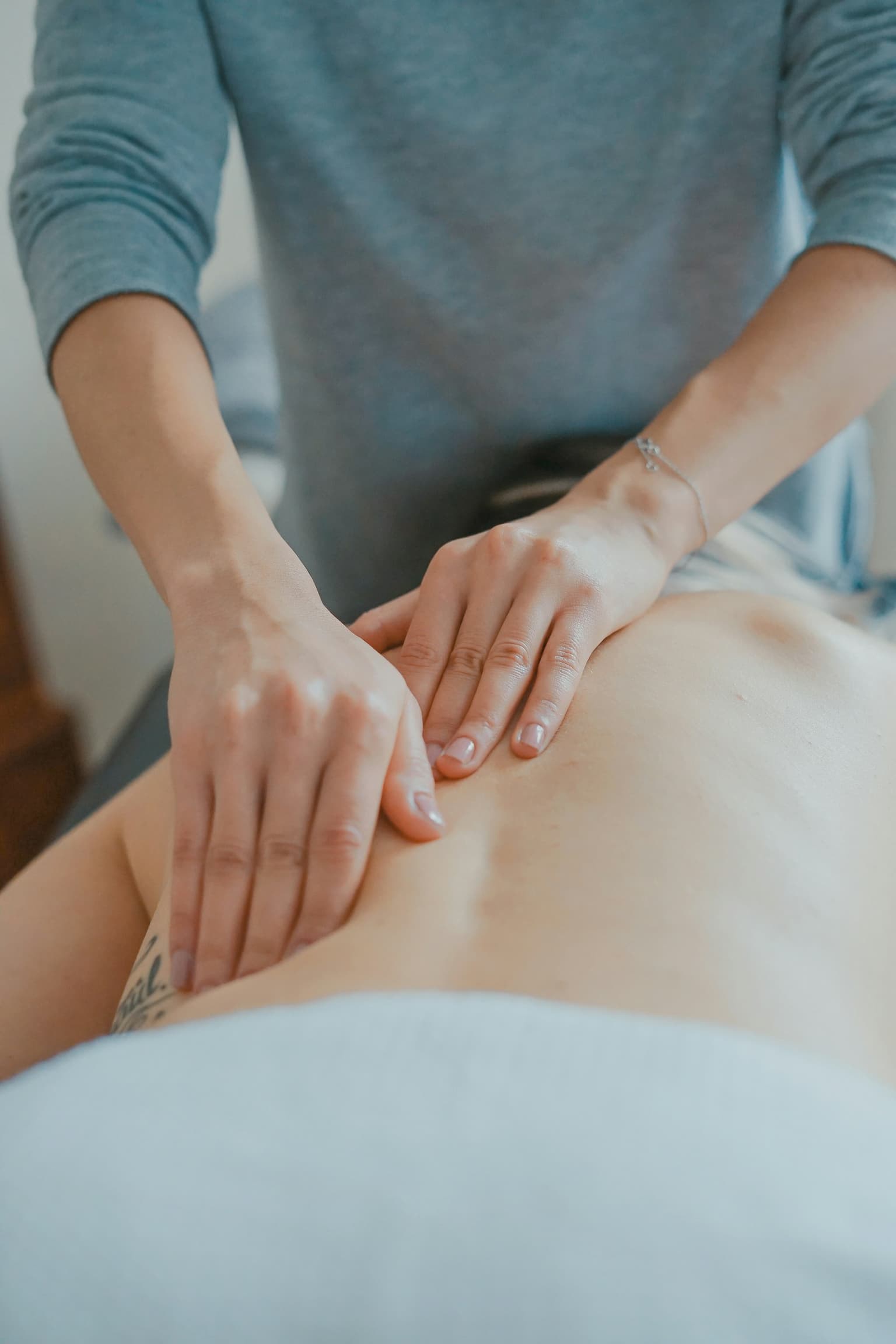
Each card links to a short topic and a matching photo from clinic care — pick what sounds closest and message us on WhatsApp with your questions.
Condition guide
Stiffness that limits reaching overhead or behind the back. Care usually mixes gentle range work with a plan for pain, and it can take months. A clinician checks that the shoulder, not the neck, is the main driver.
Condition guide
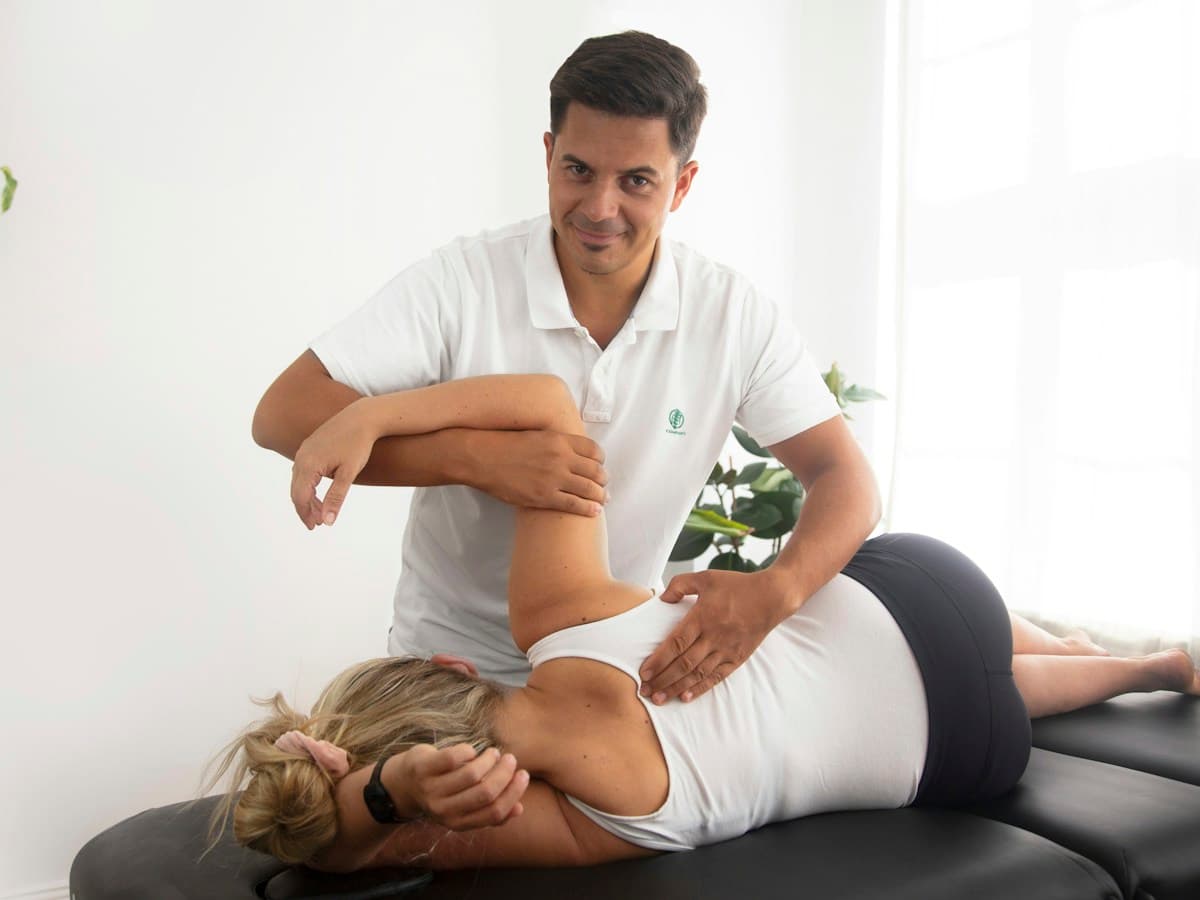
Neck and back pain from posture, lifting, or a flare of a longer problem. The visit looks at movement, nerve symptoms, and which positions ease or provoke pain.
Condition guide
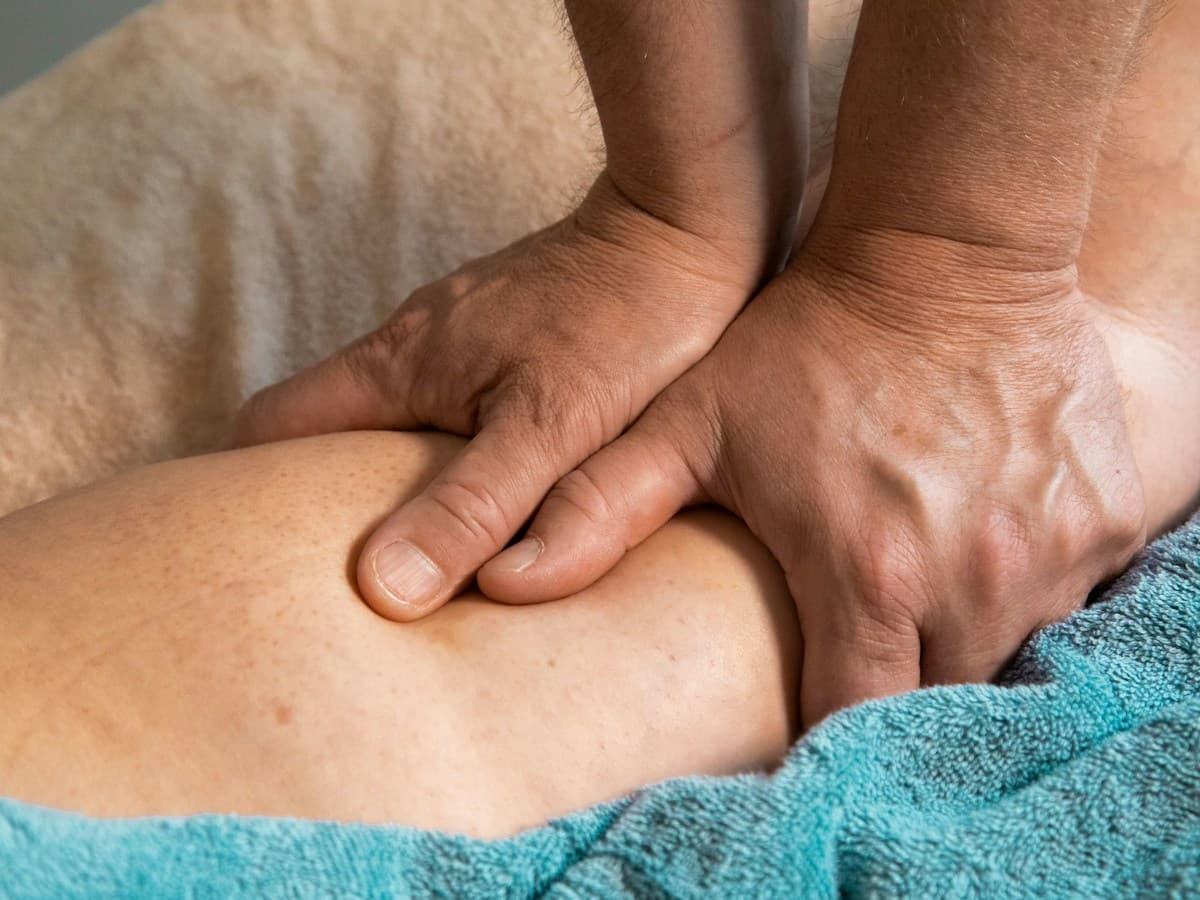
New or severe chest pain needs urgent medical care first. Physio may later help with rib, posture, or breathing stiffness once a doctor has ruled out an emergency.
Condition guide
Facial weakness needs a careful look at the cause. Therapy, when appropriate, focuses on gentle movement and avoiding over-forcing the face.
Condition guide
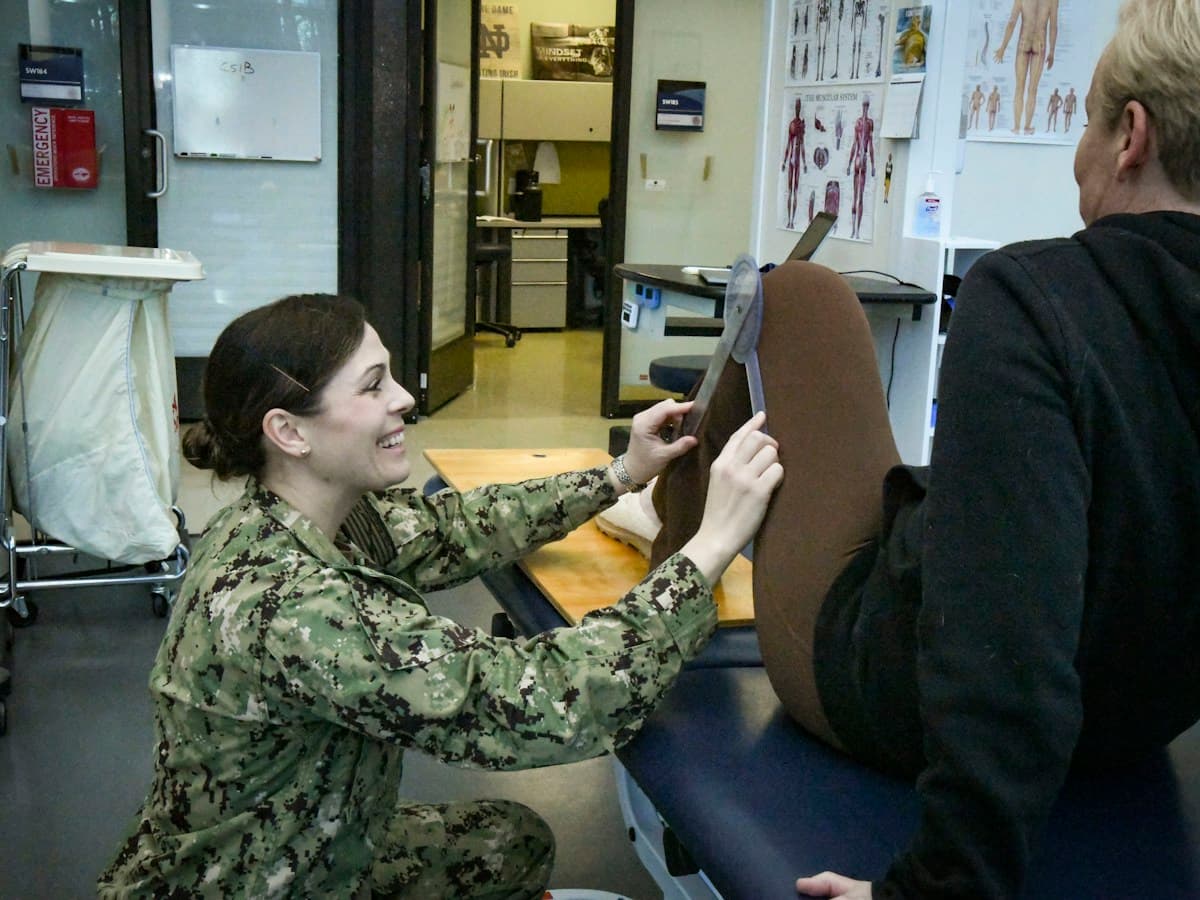
Hip and groin pain can come from the joint, tendons, or the way you walk. Assessment includes walking, strength, and how the back and knee share load.
Condition guide
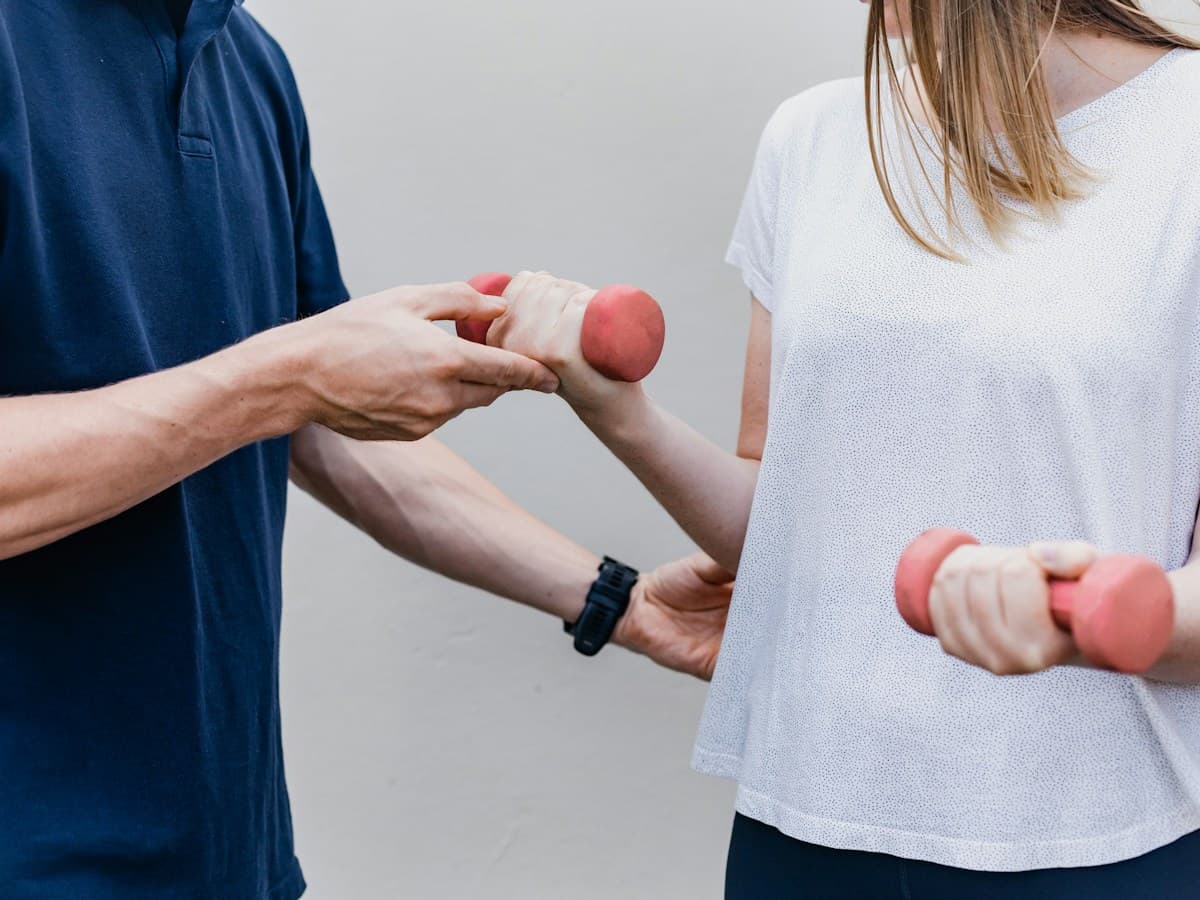
Joint wear does not mean you should stop moving. Sessions aim for manageable activity, strength, and ways to pace painful days.
Condition guide
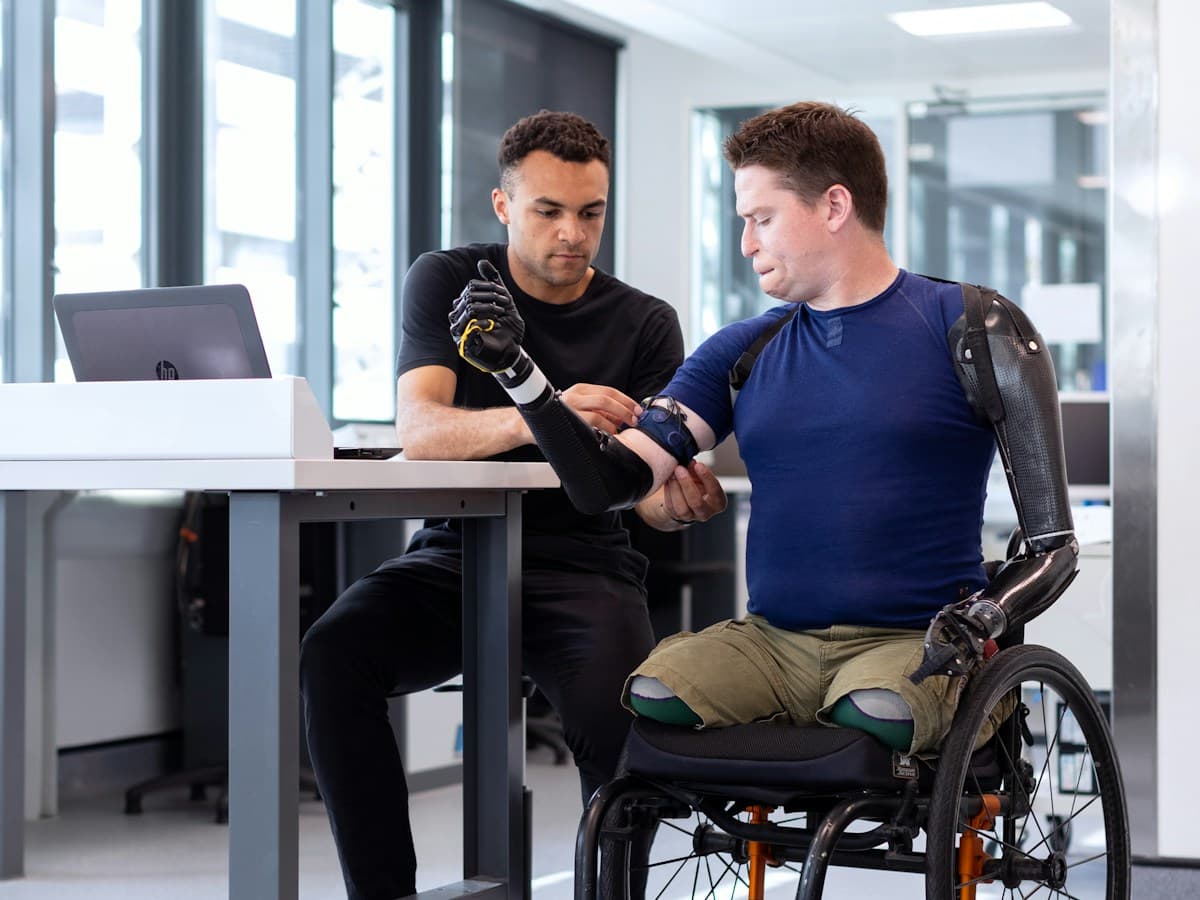
Long sitting or standing often shows up as neck, shoulder, or back ache. Advice is about changing positions through the day, not holding one perfect pose.
Condition guide
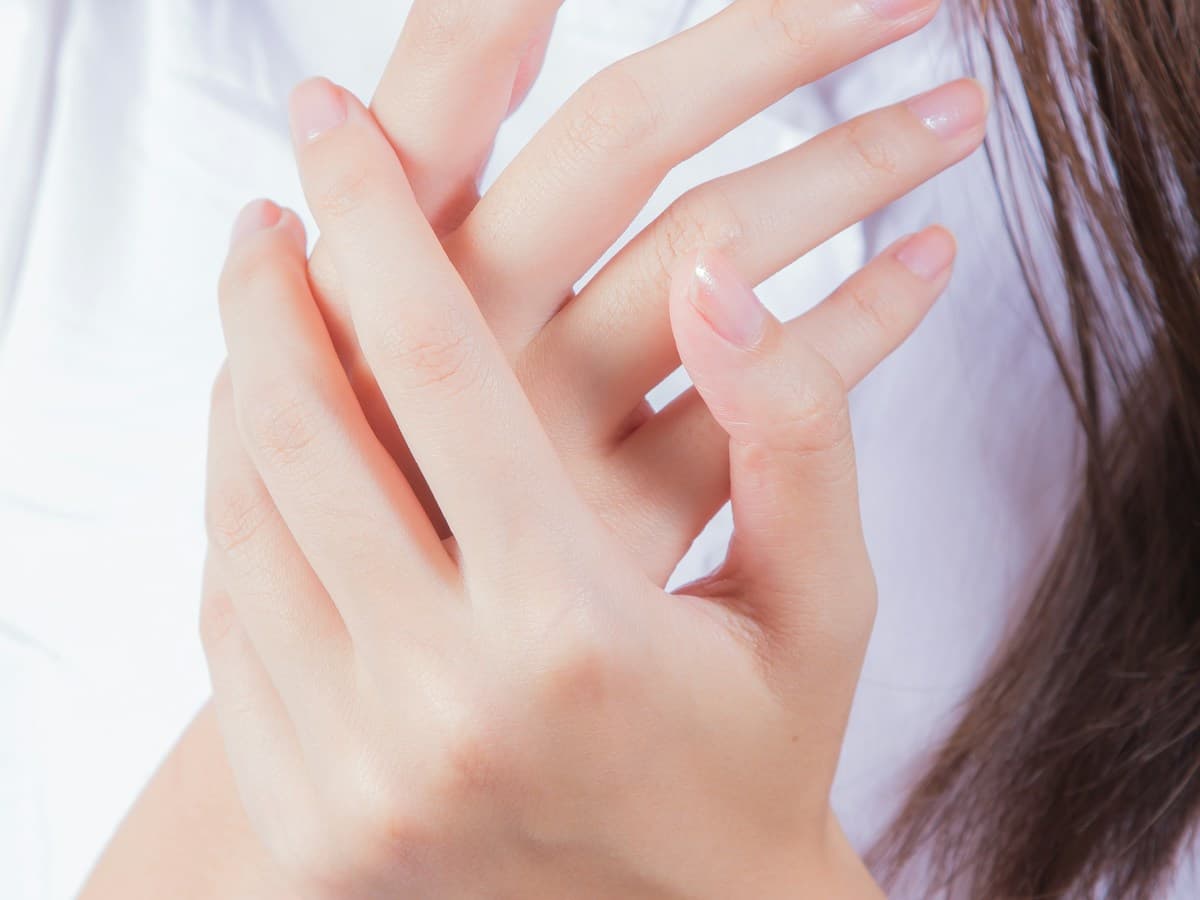
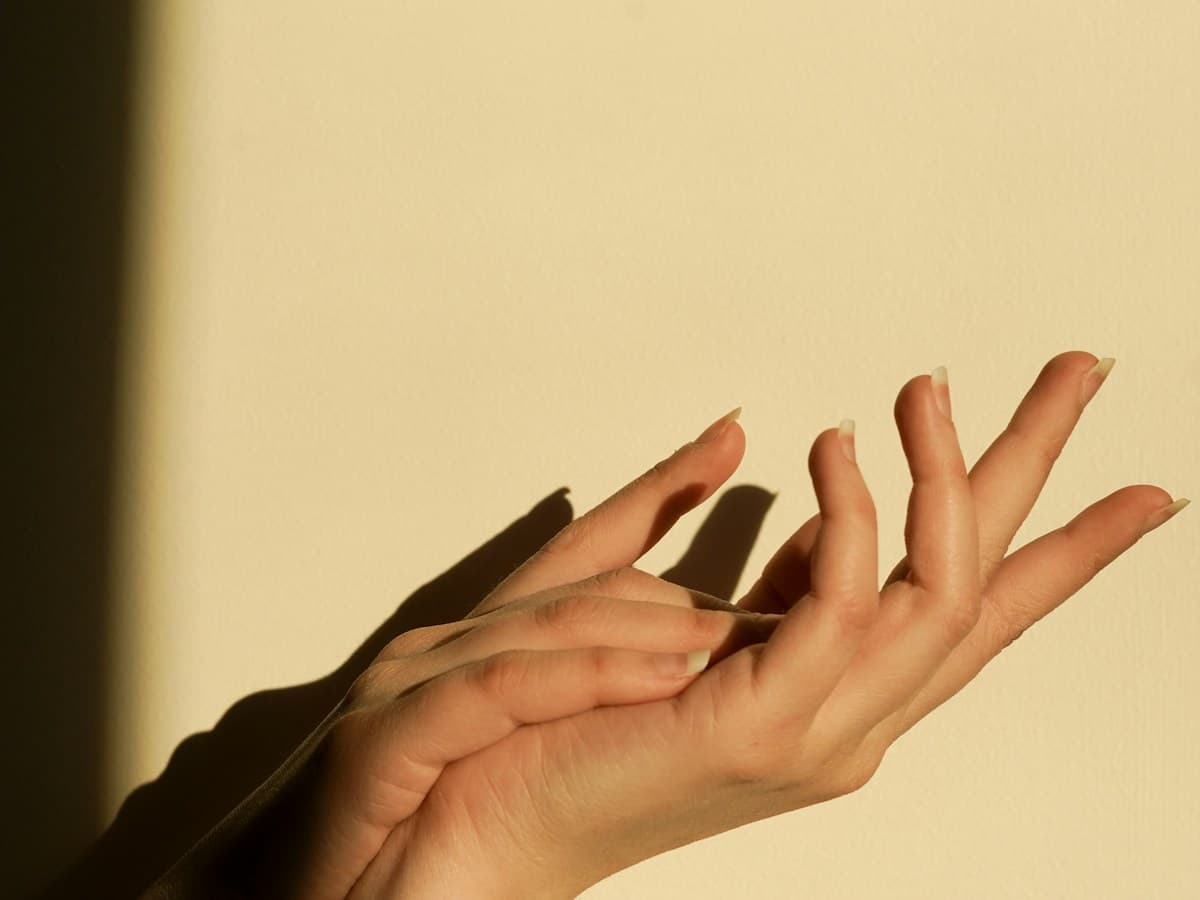
Wrist and hand pain from work, sport, or a sprain. Care may include load changes, splint advice, and tendon or joint exercises.
Condition guide
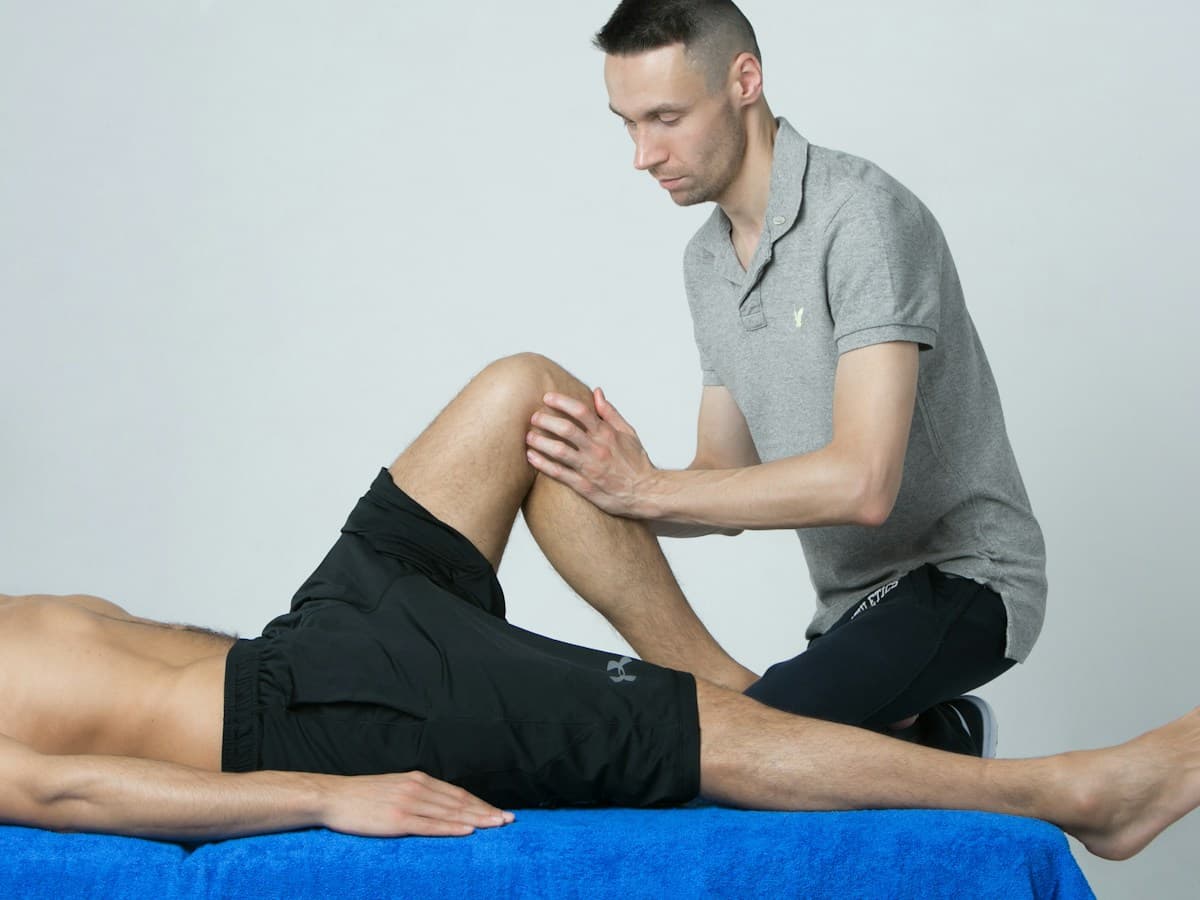
Leg pain that seems to come from the back. The clinician screens nerve signs and decides whether movement care is enough or whether you should see a doctor promptly.
Condition guide
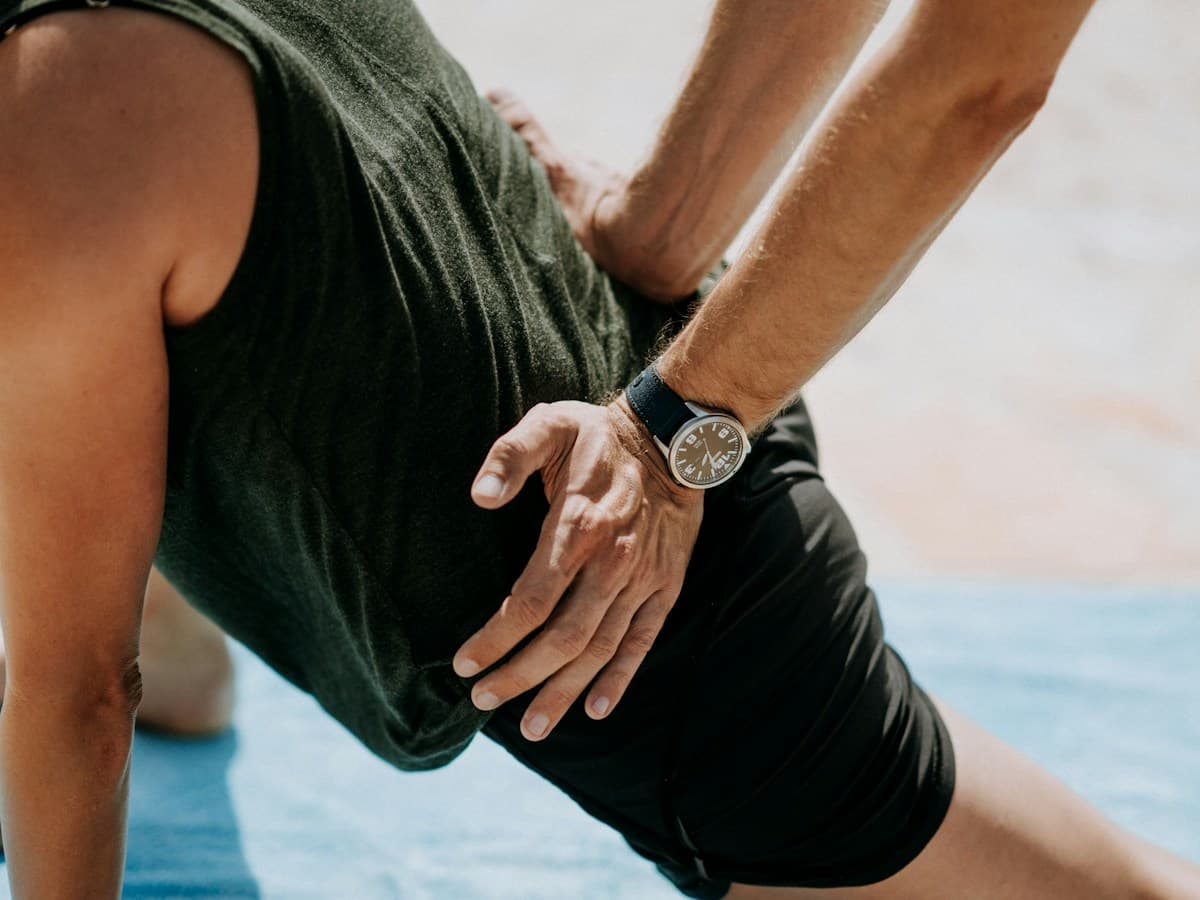
Disc-related back pain varies widely. Many people improve with guided movement. Sudden bladder changes, saddle numbness, or worsening weakness need urgent medical review, not a routine appointment.
Condition guide
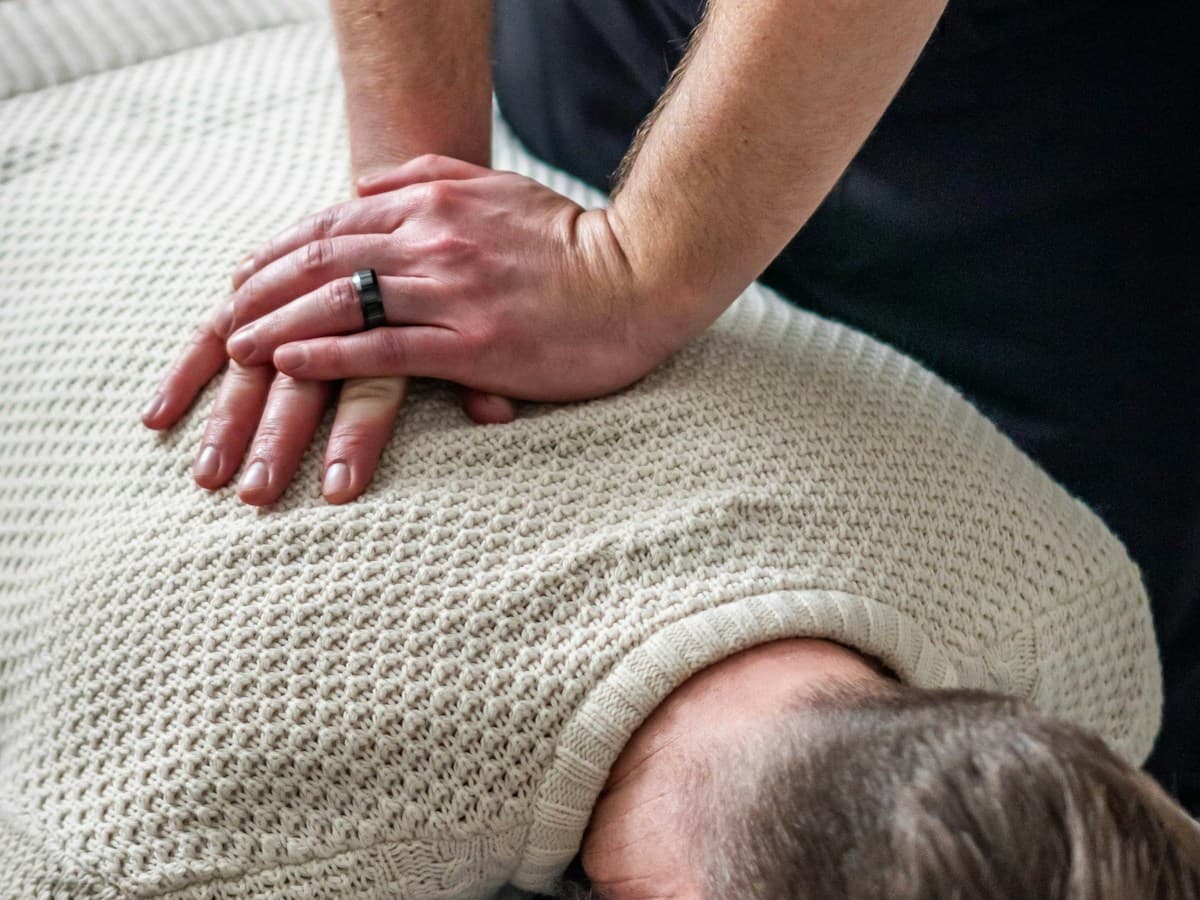
Neck pain with or without headache. Treatment looks at movement, desk setup, and whether the pain refers to the arm.
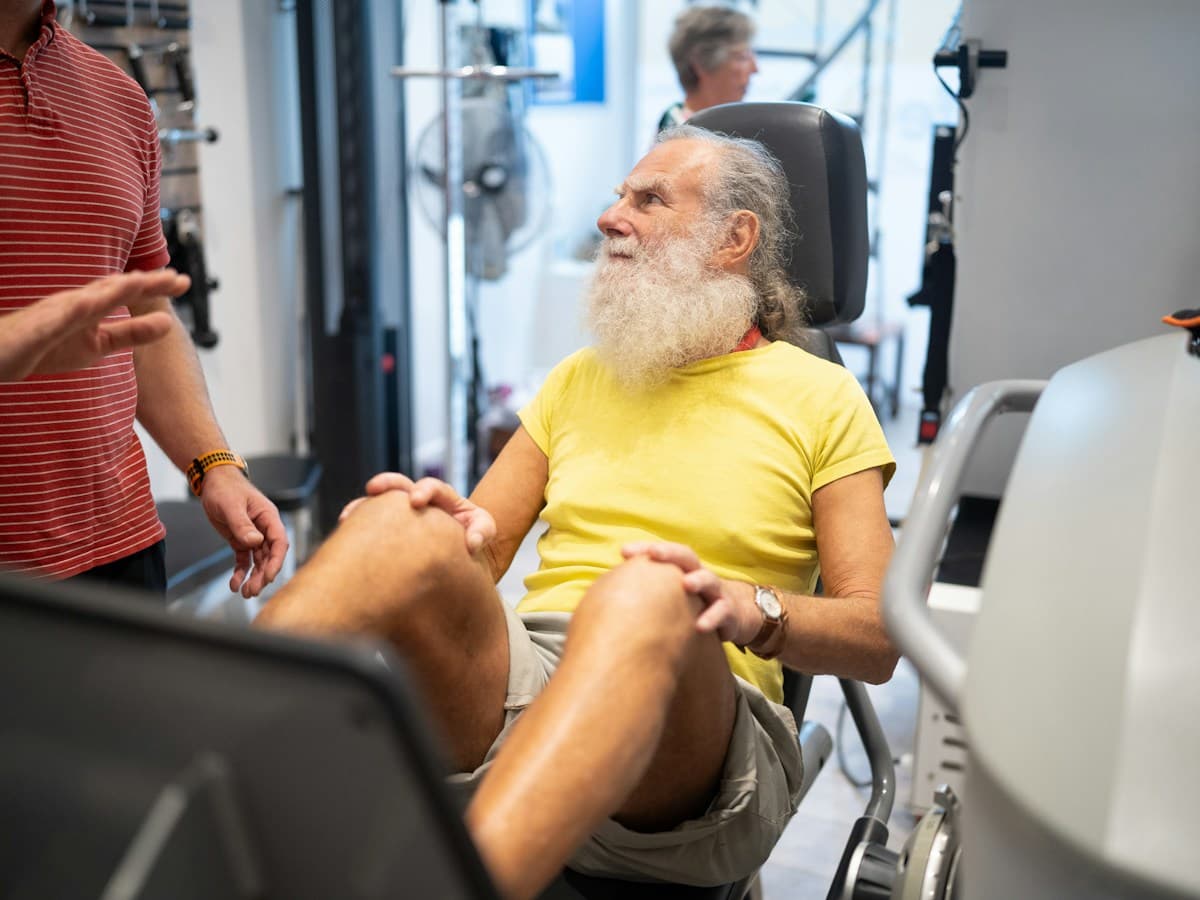
Condition guide
After a stroke, rehab practices the tasks that matter: sitting, standing, walking, and using the arm. Goals are set with you and updated as ability changes.